


1945 British H50 Steel Ammo Crate: A Collector's Guide to WWII Jungle Ordnance Packaging

Introduction to Late-War British Packaging
During World War II, the rapid movement of forces across diverse and hostile theaters ranging from the humid jungles of the Pacific and Burma to the rugged environments of Northwest Europe exposed military ordnance to severe logistical challenges. Standard wooden ammunition crates frequently succumbed to moisture, rot, and tropical degradation. To solve this, the British War Department introduced heavy-duty, standardized metal transport systems toward the final stages of the conflict in 1944 and 1945.
The H50 System: Design and Components
At the heart of late-war British packaging innovations was the H50 steel universal transport container. Measuring approximately 18x11x11 inches, the heavy H50 outer steel crate was engineered to house internal components securely, typically protecting inner wooden boxes such as the H51 and sealed metal tin liners such as the H52 designed for small-arms ammunition and hazardous explosive devices.
Key characteristics of a complete, matching 1945 setup include:
The Outer Crate: Heavy-gauge steel construction designed for stacking, rugged transit, and environmental sealing.
Ordnance Markings: Original stenciling and hazardous content classification labels, such as Class 6 Safety Cartridges or explosive device warnings.
Inner Liners: Hermetically sealed internal metal tins meant to preserve cartridges against moisture and corrosion in tropical climates.
Decoding WWII British Ordnance Packaging: The H-Series Explained
For advanced militaria collectors, understanding the interconnected numbering system of British wartime packaging is crucial for authentication and historical context. The H designation system classified specialized hazardous and tropical packaging containers:
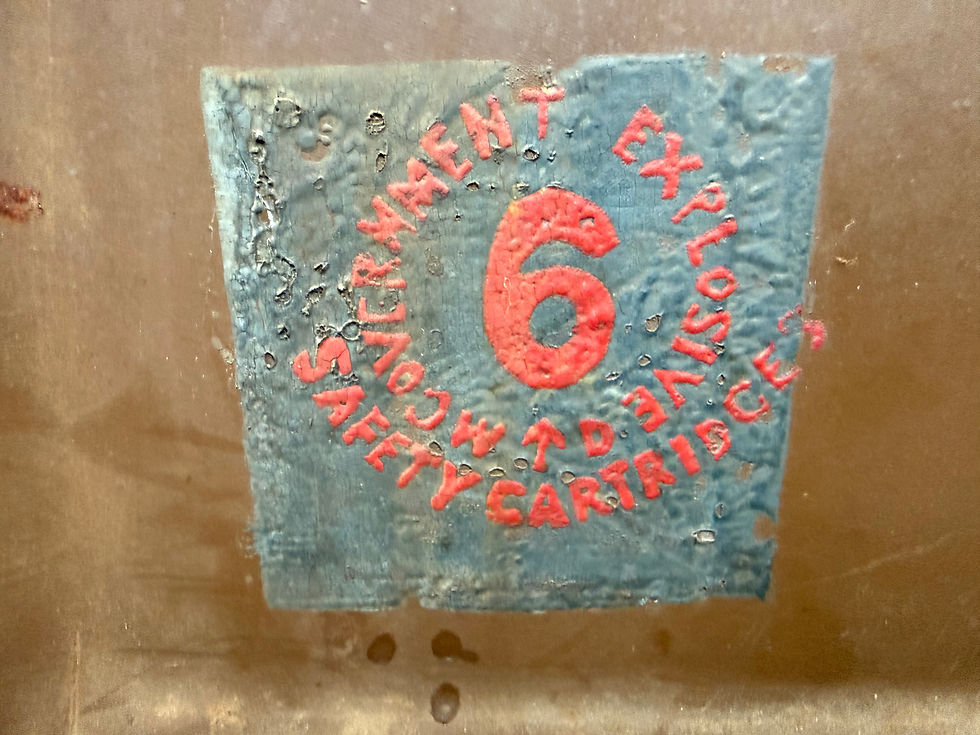
H50 Outer Container: The heavy-duty steel outer transport crate or chest designed to withstand rough handling, stacking, and adverse weather conditions during global shipping.
H51 Inner Wooden Container: Typically a specialized wooden insert or box designed to fit snugly inside the H50 steel housing, providing structural spacing and secondary shock absorption for ammunition tins.
H52 Hermetic Tin Liner: The airtight, soldered or sealed metal lining inside the inner wooden box. This component was vital for protecting small-arms cartridges from tropical humidity, salt air, and water immersion before being opened in the field.
Together, the H50, H51, and H52 combination represented the pinnacle of British military packaging engineering by 1945, ensuring that ammunition could survive months in Pacific or European transit zones and remain completely factory-fresh upon arrival.
Historical Significance for Collectors
While surplus ammunition components are common, finding an intact, matching system dated 1945, the final year of World War II, is increasingly scarce. These late-war packaging artifacts offer modern militaria collectors a direct look at the logistical engineering that kept Allied troops supplied during the closing months of the war.
Looking to Sell Militaria or Firearms?
Full Auto LLC actively buys firearms, machine guns, NFA items, military collectibles, individual pieces, and entire collections. We offer free, professional evaluations. Visit www.MyFullAuto.com to get started.


Comments